Featured
Table of Contents
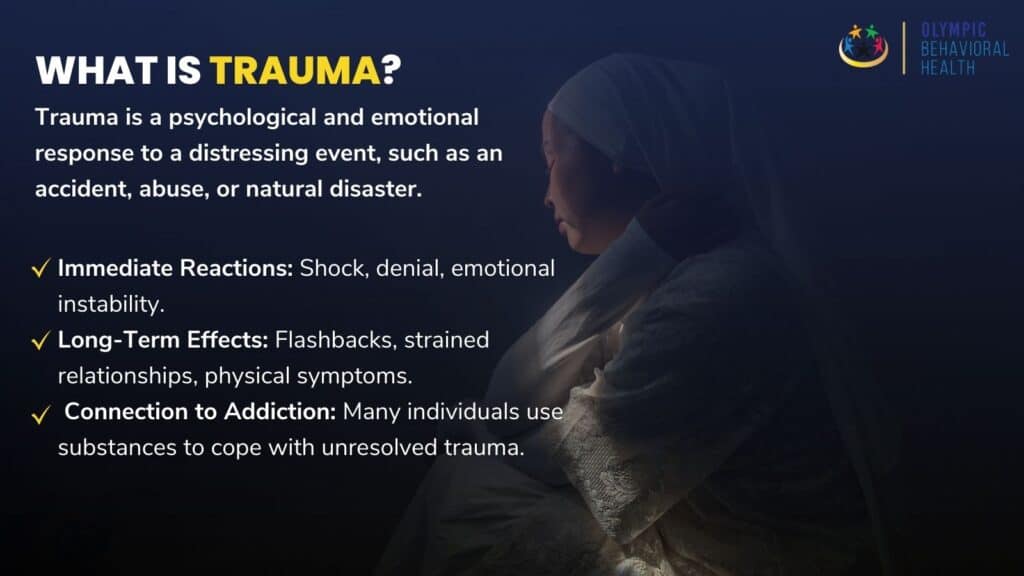
"Trauma isn't an occasion, it isn't a point that happens. It's what takes place inside of you as a reaction when a person comes into therapy, their whole life is with them, and I believe in some cases we see people as just living in their context right currently, however what they're going through, you recognize, has an entire history." - Tanya Kowalenko, Registered Therapist You may hear people describe injury as "huge T" trauma or "little t" trauma.
"Little t" injury is a lot more distressing at an individual degree like long term psychological misuse, neglect, chronic job stress and anxiety, or intimidation. We all procedure points in different ways, and what may be terrible to someone, an additional might deal with it better. Using the terms "large T" and "tiny t" trauma is an informal means to arrange trauma, however it is usually more formally arranged into these three groups: arise from a solitary event or case.
A Path Toward Authentic Recovery
Chronic injury can additionally arise from unresolved intense injury. being exposed to several stressful events, such as childhood years sexual, physical or psychological abuse, medical abuse or a lengthy ailment, family instability or conflicts. These frequently have interpersonal strings. Persistent and complex injury signs and symptoms typically expose themselves years after the occasions take place.
When we're in danger, our brain spends much less time coding the memory effectively and even more time obtaining us to security. This is why some people who experienced injury in some cases have voids in their factual recollection of events.
It's a trigger. We're unable to control these or understand what's occurring, and our symptoms get worse. This can be defined as unprocessed traumaour memories, sensations and capability to deal run out our control."People say injury occurred in the past. Nevertheless, when people battle with the trauma, what occurs is that you're residing in this moment with the injury.
Breaking the Cycle of People-Pleasing and Shutdown
is focused on just how our bodies are responding to anxiety. Somatic treatment shows us how our emotions are making us physically really feel, and teaches us techniques to release it and soothe ourselves to better handle new stressors as they come. When discovering somatic treatment or dealing with a specialist on these strategies, you may run into these 2 certain locations of somatic treatment: and.
Understanding these cues and exactly how to calm those reactions physically can be helpful in taking care of tension on a continuous basis as well. The power of the mind-body link to control the nerve system is likewise why exercise, yoga exercise method or perhaps dance treatment can be effective parts of treatment. An additional typical technique for trauma is.
A therapist will certainly attend to one memory or piece of a memory, and talk through it while relocating a pen or one more things in front of your eyes, tapping different shoulders while you move your eyes, or an additional similar workout. This physical action assists the brain produce brand-new neurological connections with a memoryit retrains the brain to procedure that memory.
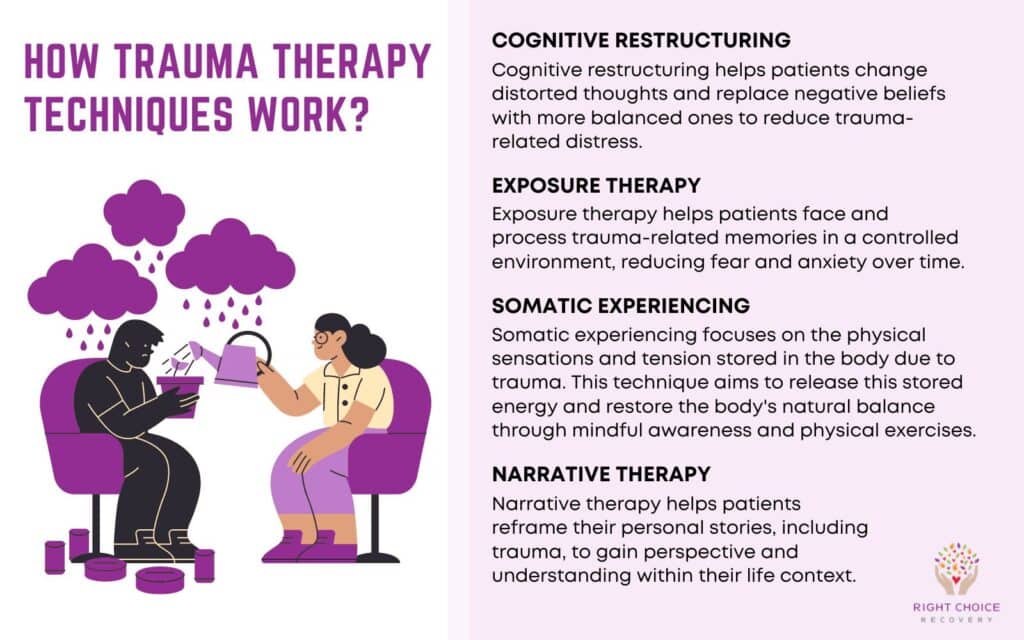
TIC is not a specific technique, yet a method to therapy. This idea is utilized in the medical area . Specialists will be extra knowledgeable about exactly how injury emerges in their somebody's behavior and they'll beware to honour any coping systems that have actually been taken on to-date (probably the therapist is better able to endure angry outbursts, or moments of disassociation in a session: aka fight and freeze).
What to Consider When Selecting a Clinician
Even with EMDR therapy, there are stages before a memory is brought to the surface area to reprocess. Trauma-trained or trauma-specific care utilizes a lot more evidence-based techniques to straight assist a person recoup from injury.
This material has actually been expertly reviewed by (January 2022). Improvements or remarks? You can get in touch with us.
You might be experiencing high degrees of conflict in your relationships, feeling caused and threatened in your communications with other individuals. Trusting others can really feel impossible, leaving you really feeling separated, separated, and separated. Emotional tingling is one more symptom that can affect day-to-day life. If you've ever before felt psychologically numb prior to, you likely really felt detached or like you could not express emotion or attach with others.
Embodiment Approaches for Anxiety Regulation
If you had parents who worked a lot when you were a child, for example, and you were left in the care of another person, you might have really felt abandoned. When your spouse works late, that abandonment injury may become triggered and you may really feel like a youngster once more, hopelessly waiting for a moms and dad to come home.
Instead, you're checking out the present moment via the lens of your injury, experiencing your spouse's actions as unsafe, even when no injury was meant. We see the world and our partnerships through the lens of our unresolved trauma. That's why it's so vital to heal our injuriesWe can have healthy, delighted relationships as adults.
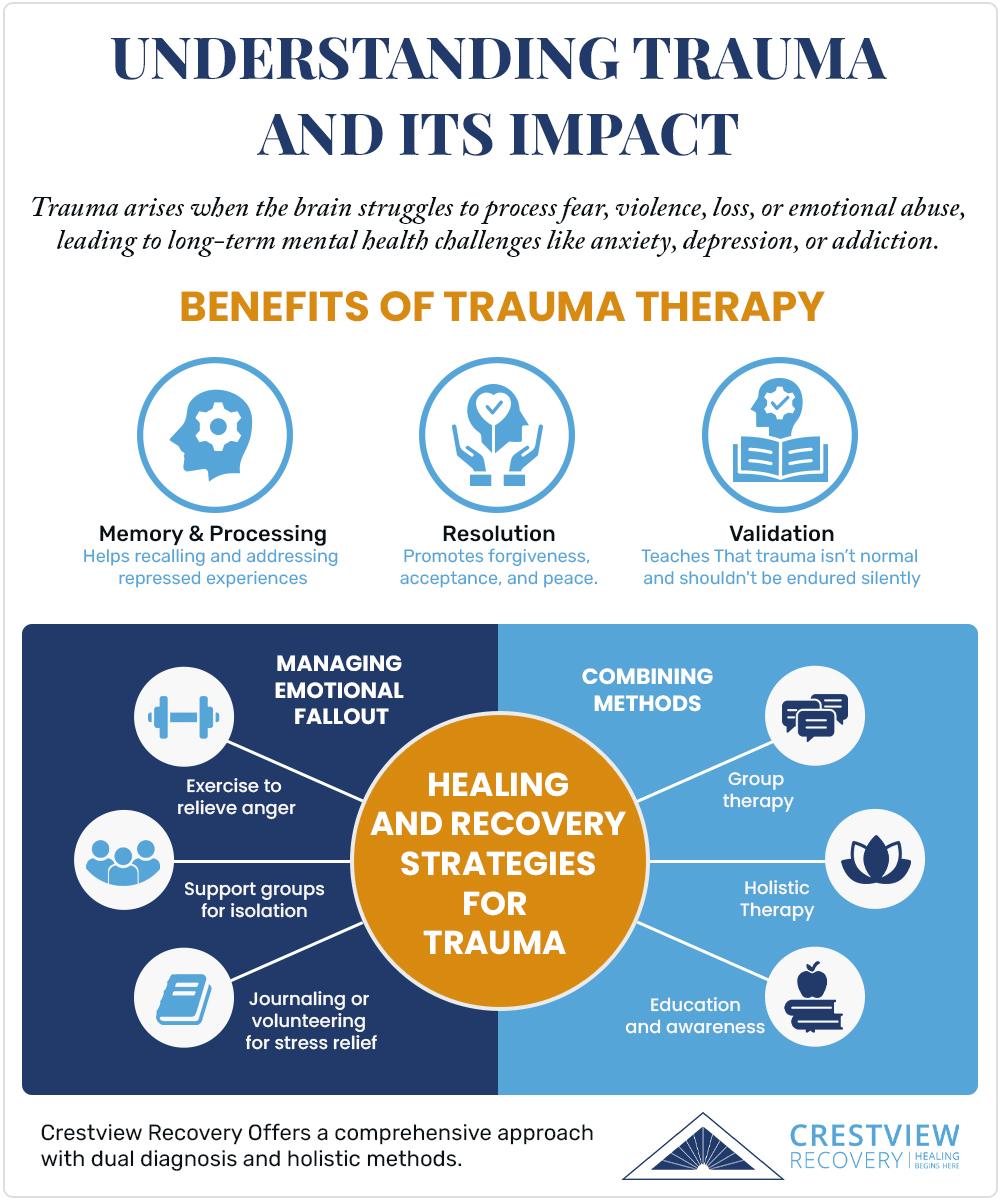
Unsettled childhood years trauma can trigger considerable adverse results upon any type of one of us and may resurface at any kind of provided time when we end up being triggered. Individuals don't constantly react to a traumatic incident immediately. In most cases, This is why recognizing and refining the distressing events that have actually happened is so essential.
They might even cause emotional impairment and trigger damages in partnerships with other individuals. Instead than rejoicing and tranquil, you may typically feel unforeseen: AngerFearAnxietyStressIrritabilityOverwhelmedThese feelings can splash over suddenly, and we might inadvertently take them out on people in our lives we appreciate. It can be very worrying (to both ourselves and others) to react in a manner that strays from our typical behavior.

Latest Posts
The Importance of Family Counseling in Denver
Recognizing OCD?
When Professional Testing Is Important for EMDR therapy